

Kickboxing and MMA have roots firmly planted in striking techniques, showcasing punches and kicks. However, their terrain diverges; kickboxing is built around stand-up combat, while MMA takes a multi-dimensional approach.
Like how a well-brewed espresso is distinct from an artfully made cappuccino, the same beans but different brewing methods create unique beverages; these sports begin with similar ingredients, but their execution makes them distinct. With this comparison, we step into the arena where fists meet faces.
Kickboxing focuses on stand-up striking techniques such as punches, kicks, and knee strikes, while MMA incorporates a wider range of techniques, including striking, grappling, submissions, takedowns, and ground fighting.
Understanding these distinctions can help individuals choose the martial art that aligns with their preferences and objectives.
Assessing Similarities and Differences Between Kickboxing and MMA

When we consider kickboxing and MMA, it’s clear that both sports require a high level of athleticism, focus, and determination from their participants. Initially, both emphasize striking techniques such as punches and kicks. However, upon closer examination, their paths diverge significantly.
Kickboxing, true to its name, revolves around powerful striking techniques designed for stand-up combat. With a focus on punches, kicks, and knee strikes, kickboxers train extensively to deliver precise and forceful blows while maintaining agility and footwork in the ring.
In contrast, MMA encompasses various martial arts and combat sports techniques. The sport incorporates striking, grappling, submissions, takedowns, and ground fighting. This versatility demands a greater skill level from its practitioners, who must be adept in striking and wrestling, jiu-jitsu, and other disciplines.
Understanding these differences underscores how each sport has unique challenges and requires a distinct skill set from its practitioners. For instance, kickboxers must excel in fast-paced striking techniques without grappling or ground fighting strategies.
Conversely, MMA fighters have the daunting task of mastering a wide array of fighting tactics – from striking to wrestling to submission holds – making their training regimen exceptionally intricate.
By appreciating the varied approaches adopted by kickboxing and MMA, we gain a richer understanding of how these martial arts differ in their technical demands and scope of combat skills.
As we unravel the technicalities of martial arts’ diverse combat styles within MMA, it becomes evident that the complexity of combat goes far beyond just the surface sport.
Exploring Combat Styles in MMA

Mixed Martial Arts, as the name implies, combines various fighting styles worldwide. This means that an MMA fighter must master many different disciplines to succeed in the cage. Let’s take a closer look at some essential aspects of combat styles in MMA.
Versatility in Techniques
In MMA, fighters must be proficient in various combat techniques, seamlessly blending striking techniques like boxing, kickboxing, and Muay Thai with grappling and ground fighting techniques from Brazilian Jiu-Jitsu, wrestling, and judo. This fusion allows for a comprehensive approach to combat sports, making an MMA fighter a well-rounded and versatile athlete.
Moreover, this technique’s versatility enables MMA fighters to adapt to various opponent styles in the ring or cage. For instance, if their opponent excels in striking, the fighter can employ grappling techniques to gain an advantage.
Conversely, when facing an opponent skilled at ground fighting, the fighter can utilize their striking skills to maintain distance and control.
Emphasis on Ground Fighting
One distinctive feature of MMA is the emphasis on ground fighting. Unlike kickboxing, where the fight stands, ground fighting and submissions play a crucial role in MMA matches.
Fighters are trained to control their opponents on the mat, utilizing techniques from Brazilian Jiu-Jitsu and wrestling to secure advantageous positions. It’s on the ground where strategic opportunities arise for a fighter to maneuver into positions conducive to winning an about.
In ground fighting, submissions become integral tools for securing victory. These include joint locks and chokeholds that can force an opponent to submit or tap out, thereby ending the match. The ability to seamlessly transition between striking and ground fighting sets MMA apart as a multifaceted combat sport.
With these intricate details about the focus on technique versatility and ground fighting in MMA, it becomes clear that fighters in this discipline require a diverse skill set beyond just striking or grappling alone.
Having uncovered the multifaceted nature of MMA combat techniques, we now focus on examining specific kickboxing technique elements.
Delving into Kickboxing Techniques

Regarding kickboxing, the focus primarily revolves around stand-up striking, essentially using your hands and feet to attack and defend. In contrast to MMA, kickboxing does not involve grappling or ground fighting, making it a test of striking skill and technique.
Kickboxing is renowned for emphasizing powerful punches, explosive kicks, and punishing knee strikes. These techniques are all geared towards inflicting maximum damage on an opponent while scoring points in a match.
The absence of grappling or ground fighting allows practitioners to concentrate solely on refining their stand-up techniques, honing their striking prowess without the added complexity of ground-based combat.
Varied Stylistic Forms
One of the most intriguing aspects of kickboxing is the array of different stylistic forms within the discipline. Styles such as Muay Thai, Karate, and Savate each bring distinctive techniques and strategies to combat sports.
For example, Muay Thai enthusiasts favor powerful clinch work and skilled use of elbows and knees, while Karate practitioners emphasize swift, precise strikes from various stances.
The diversity in styles caters to a wide range of preferences and individual strengths among practitioners. Whether you’re drawn to the raw power of Muay Thai or the fluidity of Karate, kickboxing offers something for everyone.
Each style brings unique techniques that can be adapted and incorporated into an individual’s toolkit, allowing for a more well-rounded approach to combat sports.
Every form has its strengths and weaknesses; by exploring these different styles, individuals can find what resonates best with them and aligns with their physical attributes and fighting philosophy.
This variety not only presents an array of options for practitioners but also contributes to the dynamic nature of kickboxing as a truly versatile martial art.
By understanding these diverse techniques and stylistic forms within kickboxing, one gains a deeper appreciation for the nuanced artistry and the strategic diversity that underpins this exhilarating combat sport.
As we’ve grasped the essence of kickboxing’s varied styles and refined techniques, let’s shift our focus toward essential components crucial for training in MMA and kickboxing.
Training Essentials for MMA and Kickboxing
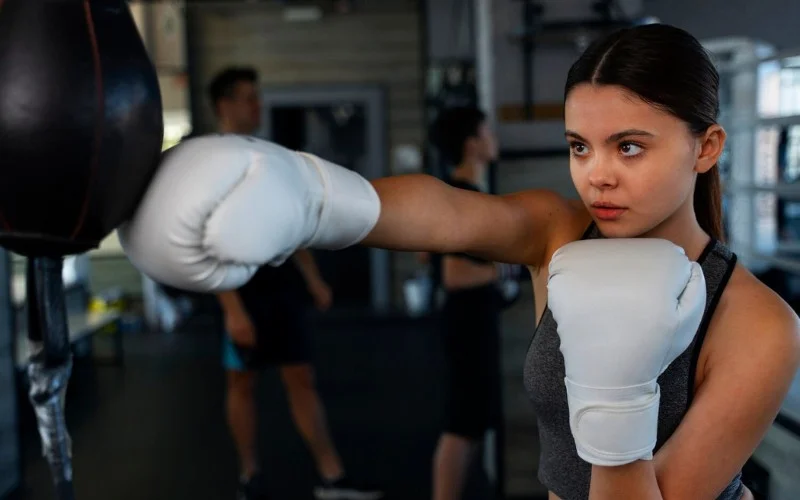
Training for Mixed Martial Arts (MMA) and Kickboxing involves more than just learning techniques; it also requires conditioning your body for the demands of these intense combat sports. Each has its unique training essentials tailored to the specific skills required.
MMA training focuses on an all-encompassing approach, incorporating striking, grappling, ground fighting, and rigorous conditioning exercises. These workouts aim to enhance overall strength, endurance, and flexibility, enabling fighters to transition from one technique to another seamlessly.
Conversely, specialized striking drills are at the core of kickboxing training. This includes dedicated sessions for heavy bag workouts, pad drills, and sparring practice. Kickboxing emphasizes perfecting striking techniques, footwork, and evasive maneuvers to deliver powerful, accurate strikes while minimizing counterattack exposure.
Let’s delve deeper into these training essentials, dissecting the key elements involved in each discipline.
Conditioning for MMA: Building a Versatile Athlete
MMA fighters require a robust physical foundation to excel in combat sports. Therefore, conditioning drills are essential to cultivate exceptional strength, agility, and cardiovascular endurance – fundamental components for success in the octagon.
MMA athletes use weightlifting exercises targeting major muscle groups, such as deadlifts, squats, bench presses, and pull-ups, to build strength and explosiveness. Functional training using resistance bands also helps develop structural balance and stabilizing muscles for injury prevention.
Endurance is honed through high-intensity interval training (HIIT), which mimics the pace of a fight by alternating between short bursts of maximum effort and brief recovery periods. These sessions significantly bolster cardiovascular fitness and mental resilience needed to sustain peak performance throughout an about.
Lastly, flexibility is paramount in MMA, given the diverse movements involved in striking and grappling techniques. Therefore, regular stretching routines enhance joint mobility and prevent injuries during challenging combat situations.
Specialized Striking Regimen in Kickboxing
In contrast, kickboxers focus on developing their striking prowess and defensive capabilities to dominate in stand-up combat scenarios.
Heavy bag workouts form a cornerstone of kickboxing training. The repetitive striking against a weighted bag fortifies striking power while refining technique and precision. It sharpens hand-eye coordination and hones reflexes, crucial attributes during live matches.
In addition to heavy bag practice, pad drills under the supervision of experienced coaches provide invaluable feedback on punch accuracy, speed, and timing. These sessions help fine-tune offensive strategies and foster adeptness in delivering effective combinations.
Moreover, engaging in controlled sparring sessions with partners simulates real fight scenarios while allowing practitioners to test their skills against varied styles. It provides an opportunity to integrate defensive movements into offensive maneuvers effectively.
By comprehensively understanding the core training components for MMA and kickboxing enthusiasts, individuals can tailor their workouts toward achieving excellence in their chosen discipline.
Comparing Match Rules in MMA and Kickboxing

The rules of engagement are crucial in understanding the unique dynamics of MMA and kickboxing matches. In kickboxing, the primary goal is to out-strike one’s opponent and secure a victory with various techniques involving punches, kicks, and knee strikes.
Meanwhile, MMA encompasses a wider spectrum of combat techniques, including striking, grappling, submissions, takedowns, and ground fighting. Let’s explore the specific differences in match endings and grappling techniques.
Match Endings
In kickboxing matches, the outcomes are typically determined by knockout, technical knockout, or judges’ decision. This underscores the emphasis on striking proficiency and the physical prowess of the competitors. On the contrary, MMA allows for a broader array of match endings.
Alongside technical knockouts, fighters can secure victories through submissions, where opponents yield due to joint locks or chokes. Additionally, referee stoppage based on fighter safety considerations becomes a pivotal factor in ending an MMA.
The ultimate decision may also rest in the hands of judges, reflecting the multifaceted nature of combat techniques involved in MMA competitions.
Grappling and Ground-Fighting
One of the most notable distinctions between kickboxing and MMA is their grappling and ground fighting approach. In traditional kickboxing matches, grappling techniques are strictly prohibited, setting it apart from the multifaceted nature of MMA encounters.
In an MMA fight, however, fighters can employ extensive grappling techniques such as chokes, joint locks, and ground-and-pound tactics. This introduces complexity to how fights unfold as competitors engage in strategic maneuvers to gain dominance on the ground.
Understanding these nuances is crucial for enthusiasts and athletes choosing between kickboxing and MMA based on their preferences and desired focus areas. Whether mastering precision striking in kickboxing or delving into the intricate world of ground fighting in MMA, each sport offers challenges and strategic depth.
The diverse nature of match rules between kickboxing and MMA provides a foundation for weighing the pros and cons of choosing one. It’s important to delve into these aspects before deciding which martial art best aligns with individual goals and aspirations.
Weighing Pros and Cons: Kickboxing vs MMA

When choosing between kickboxing and MMA, it’s crucial to consider the benefits and drawbacks of each discipline carefully. Let’s delve into the specific advantages and limitations of both kickboxing and MMA.
Kickboxing Pros
Kickboxing offers several advantages, making it an appealing option for individuals looking to develop their striking skills while enjoying a challenging workout regimen.
Kickboxing strongly emphasizes striking techniques, making it an excellent choice for individuals seeking practical self-defense skills. Whether learning to throw effective punches or execute powerful kicks, kickboxing equips practitioners with essential tools for defending themselves in real-life situations.
Furthermore, engaging in kickboxing consistently contributes to improvements in coordination and agility. Through regular practice, individuals develop better control over their body movements, enhancing their overall physical dexterity.
Lastly, kickboxing serves as an exceptional cardiovascular workout that facilitates calorie burn. The dynamic nature of kickboxing training promotes endurance, strength, and flexibility, resulting in a comprehensive fitness experience.
Kickboxing Cons
While kickboxing boasts numerous benefits, there are also some limitations associated with this discipline that aspiring practitioners should carefully consider.
One notable drawback of kickboxing is its relatively limited range of techniques compared to MMA. As a stand-up combat sport, kickboxing focuses solely on striking techniques without incorporating grappling or ground fighting elements, which may limit its applicability in certain environments or altercations.
Additionally, the absence of grappling or ground fighting in kickboxing can pose a disadvantage in specific situations where fighters might need to engage in close-quarter combat or execute takedown techniques effectively.
Furthermore, kickboxing traditionally presents limited opportunities for women and smaller weight classes compared to other martial arts disciplines, potentially impacting access to diverse competition circuits and varied skill-building platforms.
MMA Pros
Transitioning to Mixed Martial Arts (MMA) introduces distinct advantages characterized by comprehensive combat training and versatile competitive opportunities.
MMA provides practitioners with unmatched versatility and realistic combat training by seamlessly integrating various martial arts techniques and principles.
This all-encompassing approach allows individuals to develop well-rounded fighting abilities, encompassing striking and grappling proficiencies for holistic self-defense preparation.
Moreover, MMA offers abundant opportunities for competition at both amateur and professional levels, catering to individuals seeking rigorous testaments to their martial arts skills and dedication. The diversity of competition platforms enables aspiring fighters to pursue their athletic ambitions while continually refining their technique and competitive aptitude.
Finally, engaging in MMA provides practitioners with the potential to become well-rounded fighters capable of adapting to different combat scenarios effectively. The comprehensive skill set cultivated through MMA training equips individuals with the adaptability and resilience necessary for excelling in multifaceted combat environments.
MMA Cons
Despite its manifold advantages, MMA has certain drawbacks that necessitate thoughtful consideration before committing to this demanding discipline.
Notably, MMA entails a higher risk of injury due to the inclusion of grappling and ground fighting elements during training and competition. This elevated risk can result from the complex physical interactions involved in these techniques, posing challenges to practitioners’ safety and well-being.
Additionally, the intricate rules and techniques governing MMA competitions may present a steep learning curve for individuals transitioning from other martial arts disciplines or relative novices embarking on their fighting journey.
Navigating the nuanced regulations demands thorough understanding and dedicated practice, posing potential obstacles for aspiring MMA athletes.
Lastly, like kickboxing, MMA may feature limited opportunities for women and participation in smaller weight classes compared to other martial arts domains.
These constraints could impact accessibility to diverse competitive avenues and tailored skill development platforms for female athletes and individuals within specific weight categories.
By evaluating these compelling factors against your personal goals and preferences, you can decide whether kickboxing or MMA aligns more closely with your aspirations within martial arts.
Making an informed decision about whether kickboxing or MMA aligns more closely with your personal goals is crucial as you step into martial arts.