

Whether you’re an aspiring kickboxer or a seasoned Muay Thai specialist, a high-quality kickboxing bag is essential for honing your skills, boosting power, and building endurance.
But not all bags are created equal. Finding the perfect fit can be a battle in the expansive world of home gym equipment. We’ve got you covered if you tire of sifting through countless online reviews and product descriptions!
As you read on, we’ll unravel the top-notch kickboxing bags you can bring home to invigorate your workouts beyond what you thought was possible. Be ready to meet your new punching partner – one that doesn’t punch back but helps you improve!
There are two main types: standup kickbox
ing bags and hanging bags. Standup bags are more convenient for indoor use but can be louder when hit while hanging bags are more durable and provide a better workout. Recommended kickboxing bag brands include Lonsdale, Everlast, and Ringside.
The Lonsdale Wall Mounted Punch Bag is highly praised for its sturdiness. Ultimately, the choice between standup or hanging bags depends on your preferences and training goals.
Types of Kickboxing Bags

When setting up your home gym for kickboxing workouts, choosing the right type of bag that suits your training goals and the available space is essential. There are two main types of kickboxing bags: standup bags and hanging bags.
Each type has unique features and benefits, so let’s explore the differences between standup and hanging kickboxing bags.
- When setting up a home gym for kickboxing workouts, selecting the appropriate bag based on training goals and available space is important. There are two main types of kickboxing bags: standup bags and hanging bags. Both types have distinct features and advantages, so understanding the differences is crucial.
Standup Vs. Hanging Kickboxing Bags
Standup kickboxing bags are freestanding bags that don’t require any additional support. They usually have a base filled with either sand or water, providing stability during striking.
Standup bags are a popular choice for home gyms due to their convenience and ease of setup. The portability allows you to move them around without drilling holes in your walls or ceilings.
For instance, if you have limited space or frequently change the location of your workouts, a standup kickboxing bag would be a great option. It doesn’t require installation and can be easily stored away when not in use.
On the other hand, hanging kickboxing bags, as the name suggests, need to be suspended from a sturdy support structure like a beam or ceiling using chains or straps.
These bags offer a more realistic experience since they swing and move when struck, simulating an opponent’s movements. The swinging motion improves agility, footwork, and accuracy in striking.
Consider this: If you have ample space in your home gym dedicated solely to martial arts training, a hanging kickboxing bag can provide a challenging workout experience that resembles real sparring sessions.
Think of it like choosing between jogging on a treadmill (standup bag) versus running outdoors on varied terrain (hanging bag). Both options offer different benefits depending on your preferences and specific training needs.
Ultimately, your choice between standup and hanging kickboxing bags will depend on available space, versatility, and desired training experience. Assess your requirements and consider consulting with experts at a reputable martial arts equipment provider to make an informed decision.
- The fitness equipment market, which includes kickboxing bags, is projected to reach $14.7 billion by 2028.
- A study in BMC Public Health reveals that workouts involving equipment such as the kickboxing bag can burn up to 500 calories an hour.
- According to statistics from a report by the Physical Activity Council, there was a notable increase of about 18.1% in combat sports activities, including kickboxing, among Americans from 2007 to 2016. This suggests a rising demand for related equipment like kickboxing bags.
Features to Consider in a Home Kickboxing Bag

Several important features must be considered when choosing a kickboxing bag for your home gym workout. These features can greatly impact your training experience and help you make an informed decision. Let’s explore some of these key factors.
First and foremost, you’ll want to consider the bag’s size and weight. The bag size will depend on your home gym’s available space and specific training needs.
Additionally, the bag’s weight will determine the intensity of your workouts. Beginners may find lighter bags more suitable, while advanced practitioners may prefer heavier ones for a challenging session.
Now that we have discussed the importance of considering various features when selecting a home kickboxing bag let’s dive deeper into one crucial aspect: bag material and durability.
Bag Material and Durability
The material from which a kickboxing bag is made plays a significant role in its overall durability and longevity. You’ll want to ensure that your chosen bag can withstand the impact of powerful punches and kicks without easily wearing out or tearing.
One popular option is synthetic leather, known for its durability, water resistance, and ease of cleaning. Synthetic leather bags often mimic the look and feel of genuine leather while being more budget-friendly. Another common material is canvas, which is durable but may require extra care to prevent moisture damage.
Some bags may have multiple layers or reinforced stitching in high-stress areas to provide additional reinforcement and support. This helps to prevent sagging or tearing over time. It’s also worth considering whether the bag includes zippers or other mechanisms for easy access to add or remove filling for adjustment.
Imagine investing in a kickboxing bag made from subpar materials, only to have it deteriorate after just a few intense sessions. By selecting a durable bag constructed with quality materials, you can have peace of mind that it will last and withstand the rigors of your training.
When evaluating bag material and durability, finding a balance between quality, longevity, and specific training needs is essential. Consider how frequently you’ll be using the bag and the level of intensity at which you train.
Adjustable or Fixed Weight
When considering a kickboxing bag for your home gym, one of the primary factors is whether you prefer an adjustable or fixed-weight bag. Both options have pros and cons, ultimately depending on your fitness goals and preferences.
An adjustable-weight bag allows you to increase or decrease weight by filling or emptying it with sand or water. This versatility can be advantageous as it enables you to customize the resistance and intensity of your workouts.
You can start with a lighter weight and gradually increase it as you build strength and improve your technique. Additionally, adjustable-weight bags are often easier to transport and store since they can be emptied when not in use.
On the other hand, a fixed-weight bag comes pre-filled with a designated weight that cannot be adjusted. These bags are typically filled with sand, cloth, or foam for optimal impact absorption.
Fixed-weight bags offer convenience as they don’t require any additional setup or adjustment before use. When you hang them up in your home gym, they are ready to go. However, remember that you won’t have the flexibility to modify the resistance level over time.
Consider your fitness goals, skill level, and available space when deciding between an adjustable or fixed-weight kickboxing bag for your home gym. If you’re a beginner looking for flexibility in adjusting the resistance level as you progress, an adjustable weight bag might be more suitable for you.
However, a fixed-weight bag could be the right choice if you have limited space and want convenience without needing adjustments.
Top Brands of Kickboxing Bags for Home Gyms
Now that we’ve discussed the importance of choosing an adjustable or fixed-weight kickboxing bag, let’s explore some of the top brands available for your home gym workout.
- Outslayer: Known for their durability and quality, Outslayer kickboxing bags are popular among enthusiasts. They offer a range of options, including heavy bags with different weight capacities and sturdy construction to withstand intense workouts.
- Everlast: Everlast is a well-established brand in combat sports equipment. They offer a variety of kickboxing bags designed for home gym use, with features like reinforced stitching for durability and foam padding for impact absorption.
- Fairtex: If you’re looking for authentic Muay Thai-style kickboxing bags, Fairtex is a brand worth considering. Their bags are handmade in Thailand and are known for their excellent craftsmanship and reliability.
- Century: Century offers various kickboxing bags suitable for different training needs. Their products include freestanding bags, hanging heavy bags, and specialty bags like the Wavemaster XXL, allowing height adjustment.
- RDX: RDX offers affordable kickboxing bag options without compromising on quality. Their bags feature rugged construction using high-grade materials to withstand rigorous workouts.
When choosing a brand, consider your budget, specific training goals, and any additional features you prefer. It’s also a good idea to read reviews or seek recommendations from experienced athletes or fitness professionals to ensure you make an informed decision.
Ensuring Safe and Efficient Use of Your Kickboxing Bag
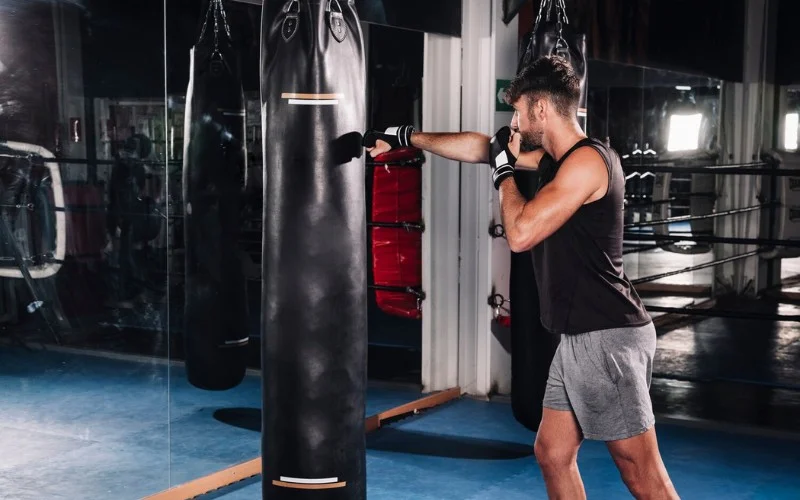
Safety should always be a top priority for kickboxing bag workouts. Proper use of your kickboxing bag prevents injuries and ensures you get the most out of your training sessions. Let’s explore some essential tips to ensure your kickboxing bag’s safe and efficient use in your home gym.
First and foremost, it’s crucial to protect your hands. Investing in high-quality gloves is necessary to prevent hand injuries during punching or striking movements.
Look for gloves specifically designed for kickboxing or boxing, with adequate wrist support and padding in the knuckle area. UFC gloves and gloves from brands like Everlast and Ringside are highly recommended.
Moreover, wrapping your hands with wrist wraps before putting on the gloves provides additional support and stability to your wrists. This helps minimize the risk of sprains or strains while delivering powerful strikes to the bag.
Consider a scenario where you start kickboxing without proper hand protection. You might have bruised knuckles or fractures, hindering your progress and causing unnecessary pain. Protecting your hands should never be overlooked.
Secondly, choosing the right weight for your kickboxing bag is important. As a beginner, opting for a punching bag in the weight range of 100 pounds or less is advisable. This allows you to develop proper technique and gradually build strength without straining your muscles excessively.
Additionally, make sure to secure the bag properly in place before starting your workout session. Whether a standup bag or a hanging one, ensuring stability is vital to avoid accidents or injury from the bag swinging uncontrollably during strikes.
Consider setting up your kickboxing bag as anchoring a ship in rough waters. It needs to be secure for smooth navigation and safe training.
Furthermore, learning proper punching techniques is essential to prevent strain or injury. Consider taking classes or watching instructional videos that demonstrate correct form and technique. YouTube channels like Fight Tips offer excellent tutorials on fighting techniques and can be a valuable resource for beginners.
Lastly, don’t underestimate the importance of warming up and cooling down before and after your kickboxing bag workouts. Engaging in dynamic stretches and exercises helps prepare your body for intense physical activity, while static stretching afterward aids in preventing post-workout muscle soreness.
By following these safety measures and incorporating them into your kickboxing bag training routine, you can maximize the efficiency of your workouts while minimizing the risk of injuries.