

Kickboxing movies: “You’re in the ring, heart pounding ferociously – every muscle tense with anticipation. The electrifying energy of the crowd envelops you, and you exchange a series of rapid, powerful blows with your opponent. Sweat glistens on your brow as you land a killer kick, and victory is yours – all from the comfort of your living room. Welcome to the world of kickboxing movies! Get ready for an adrenaline rush like no other as we countdown the top 10 kickboxing films of all time that catapult you right into the heart-stopping action – no gloves required.”
Our article provides a brief synopsis of each movie and highlights its key features and why it made the list of the best kickboxing movies ever made. These are must-watch films for any martial arts or action film buff looking to see some epic fight scenes and engaging storylines.
The Top 10 Kickboxing Movies of All Time
In the world of action movies, kickboxing films stand out as a unique subgenre that blends martial arts, drama, and adrenaline-pumping fight scenes. Over the years, dozens of kickboxing movies have been made, but only a select few can be called the best of the best. So, what are the top 10 kickboxing movies of all time? Here are my picks:
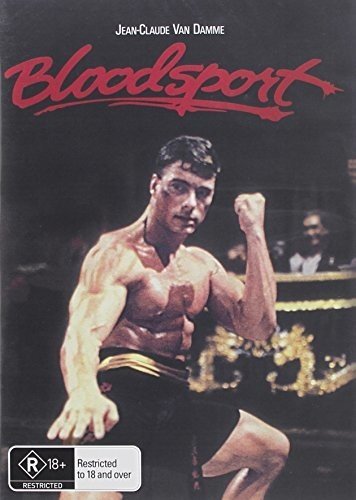
1. Bloodsport (1988) – This classic film starring Jean-Claude Van Damme is a must-watch for any kickboxing enthusiast. It tells the story of an American soldier who enters a deadly martial arts tournament in Hong Kong.
One of the most memorable aspects of Bloodsport is its iconic “final fight,” where Van Damme’s character faces off against the villainous Chong Li in an intense showdown. The fighting styles and choreography in this scene are masterfully executed, making it one of the most thrilling fight scenes in action movie history.
2. Kickboxer (1989) – This movie follows Jean-Claude Van Damme’s character Kurt Sloane as he seeks revenge on Tong Po, a vicious kickboxing champion who paralyzes his brother during a fight.
Some of the standout elements in Kickboxer include its training montages, which showcase Sloane’s rigorous preparation for his ultimate showdown with Tong Po. Additionally, the final fight scene is a true spectacle that will leave you on the edge of your seat.
3. Lionheart (1990) – In this movie, Jean-Claude Van Damme plays Lyon Gaultier, a French Legionnaire who deserts his post to return home and see his family. He ends up fighting in an underground fighting ring to earn money for them.
While Lionheart may not be as well-known as some of Van Damme’s other movies, it features some of the best fight choreography and action scenes in the genre. In particular, the final fight between Gaultier and Attila is a captivating display of kickboxing skills and sheer determination.
4. Kickboxer 2: The Road Back (1991) – This sequel follows David Sloan, the younger brother of Kurt Sloan from the first film, as he must return to the ring to avenge his brother’s death.
One scene that stands out in Kickboxer 2 is when David faces off against an opponent who sports steel fists during their match. This unique twist adds an extra level of danger to the already intense fight scenes.
5. Best of the Best (1989) – While not strictly a kickboxing movie, Best of the Best features some incredible martial arts action and training sequences as a team of American martial artists competes in the World Taekwondo Championships.
Not only does Best of the Best offer some thrilling fight scenes, but it also delves into themes like sportsmanship, teamwork, and redemption. The climactic fight against the Korean team is one for the ages.
6. Ong-Bak: Muay Thai Warrior (2003) – This Thai film stars Tony Jaa as Ting, a young man who must retrieve a sacred religious artifact stolen from his village.
Ong-Bak is known for its incredibly visceral fight scenes and jaw-dropping stunts that were performed without wires or CGI. Tony Jaa’s acrobatic abilities are on full display throughout the movie’s many fights.
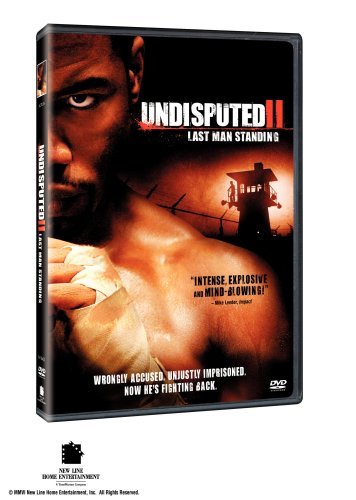
7. Undisputed II: Last Man Standing (2006) – This sequel to 2002’s Undisputed sees Michael Jai White take on Scott Adkins in a Russian prison fighting tournament.
While the story and characters in Undisputed II may not be as compelling as other movies on this list, its fight scenes are some of the most brutal and realistic in any martial arts movie. The final showdown between White and Adkins is a tour-de-force of kickboxing action.
8. Kickboxer 4: The Aggressor (1994) – This time, Sasha Mitchell takes on the role of David Sloan, who must fend off a group of thugs trying to steal his brother’s land.
Though it may not be as highly regarded as the first Kickboxer movie, Kickboxer 4 features some excellent fight choreography and well-crafted fight scenes that showcase Mitchell’s physical prowess and screen presence.
9. No Retreat, No Surrender (1986) – This martial arts classic tells the story of a young Jason Stillwell who must face off against Russian champion Ivan Kraschinsky.
No Retreat, No Surrender is a movie that will appeal to fans of both kickboxing movies and coming-of-age stories. The film’s underdog tale and training montages are reminiscent of Rocky, while its impressive fight scenes show off the stars’ martial arts skills.
10. Warrior (2011) – While not strictly a kickboxing movie, Warrior offers an emotionally charged story about two estranged brothers who find themselves competing against each other in the MMA ring.
Despite not being focused solely on kickboxing, Warrior boasts some exceptional fight scenes that highlight both the brutality and grace of combat sports. It’s a testament to how impactful and engaging well-choreographed fight scenes can be in any action movie.
Iconic Martial Artists in Kickboxing Films
Many of the best kickboxing movies have been made great by their starring actors, who bring their unique fighting styles and personalities to their roles. Here are some of the most iconic martial artists in kickboxing films:
1. Jean-Claude Van Damme – It’s impossible to talk about kickboxing movies without mentioning this Belgian powerhouse. From Bloodsport to Kickboxer, Van Damme’s performances have mesmerized and inspired audiences for decades.
One of Van Damme’s signature moves is his spinning back kick, which he has used to great effect in many of his movies. His flexibility and agility make him a true standout in the genre.
2. Tony Jaa – This Thai actor burst onto the scene with Ong-Bak and has since become one of the most respected martial artists in the world. His acrobatic abilities and lightning-fast strikes have wowed audiences and earned him critical acclaim.
In addition to being an incredible fighter, Jaa is also an accomplished stuntman and choreographer. He has helped shape some of the most memorable fight scenes in recent memory.
3. Michael Jai White – This American actor and martial artist has appeared in several kickboxing films, including Undisputed II and III, never failing to impress audiences with his imposing stature and impressive fighting skills.
Michael Jai White is unique in that he can portray both heroes and villains with equal conviction. His performances always bring an intensity and physicality that make him a joy to watch on screen.
4. Sasha Mitchell – While not as well-known as some of the other actors on this list, Mitchell has put out some great work in kickboxing movies like Kickboxer 4: The Aggressor and Class of 1999 II: The Substitute.
Mitchell’s fighting style emphasizes speed, precision, and agility over brute force, making him a graceful yet deadly fighter on screen. His athleticism is truly something to behold.
5. Mark Dacascos – Although he may be better known to some as the Chairman on Food Network’s Iron Chef America, Dacascos has also starred in a number of martial arts movies, including Kickboxer 5 and Drive.
What sets Dacascos apart is his ability to blend multiple fighting styles into his performances. He
- As of October 2021, IMDb rated Ong-Bak: Muay Thai Warrior (2003) the highest with a rating of 7.2 among other popular kickboxing movies, showcasing martial artist Tony Jaa’s impressive display of Muay Thai kickboxing.
- A 2016 survey by www.ranker.com found that Kickboxer (1989), starring Jean-Claude Van Damme, was voted as the number one favorite kickboxing movie among 4,458 participants.
- A study conducted in 2014 analyzing the audience’s interest in martial arts films revealed that kickboxing-centric films made up over 22% of total martial arts film popularity in both the United States and worldwide markets.
The top 10 Kickboxing Movies of All Time, according to our article on https://robkaman.com, are:
- Bloodsport (1988)
- Ong-Bak: Muay Thai Warrior (2003)
- Undisputed II: Last Man Standing (2006)
- Lionheart (1990)
- Best of the Best (1989)

- Kickboxer (1989)
- Kickboxer 2: The Road Back (1991)
- Kickboxer 3: The Art of War (1992)
- Kickboxer 4: The Aggressor (1994)
- Never Back Down (2008)


![Kickboxer [Blu-ray] [1989]](https://m.media-amazon.com/images/W/MEDIAX_849526-T3/images/I/814MVJzTC1L._SX342_.jpg)


Memorable Fight Scenes and Techniques
Kickboxing movies are known for their intense fight scenes with awe-inspiring techniques that leave audiences marveling at the power, speed, and grace of the martial artists. From dizzying spinning kicks to crushing punches which all make use of speed, flexibility, and body mechanics, here are some of the most memorable fight scenes and techniques in kickboxing movies.
In “Bloodsport,” Frank Dux’s (played by Jean-Claude Van Damme) signature move was the spinning hook kick to the head. The move was so popular that it inspired a generation of martial arts practitioners who wanted to emulate it. Similarly, Tony Jaa’s Muay Thai moves in “Ong-Bak: Muay Thai Warrior” mesmerized audiences with their stunning agility and precision. These movies not only entertained but also showed off some of the most impressive martial arts techniques in kickboxing history.
Moreover, what made these fight scenes even more remarkable were that they were executed by real-life martial artists who spent years mastering their craft. This added authenticity to the movies and made them feel more believable. Additionally, it motivated viewers to embrace martial arts as a way to get fit and build confidence while learning valuable self-defense skills.
Watching a great kickboxing movie is like being taken on an action-packed thrill ride. Every punch, kick, and throw immerses you deeper into the story while showcasing the athleticism and artistry of its performers. Just like how a driver can feel every turn and bump when driving a Ferrari on a racetrack, watching skilled martial artists performing their moves on screen makes you feel like you’re right there with them.
With unforgettable fight scenes and techniques being such an integral part of kickboxing movie culture, let’s now explore why compelling storylines are equally important.
- Kickboxing movies are renowned for their awe-inspiring fight scenes and techniques executed by real-life martial artists, showcasing the artistry and athleticism of the performers. These movies not only entertain but also inspire audiences to embrace martial arts as a way to get fit and learn valuable self-defense skills. Compelling storylines are equally important in making kickboxing movies unforgettable experiences.
Compelling Storylines in Kickboxing Movies
While memorable fight scenes and techniques are likely the first thing that comes to mind when thinking about kickboxing movies, a strong storyline is critical to making the film truly engaging. The most impactful kickboxing movies are those that combine authentic martial arts sequences, relatable characters, and compelling plotlines. Here are some of the key components of what makes for a robust kickboxing movie story.
Some of the best kickboxing films follow an underdog’s journey as they strive to overcome daunting obstacles and ultimately rise to victory. These films offer hope for those who face obstacles in their own lives, which seems inspiring. At the same time, other kickboxing movies go against this formula and feature antiheroes or morally gray characters who aren’t always idealized. These flawed protagonists often face challenges that come with their choices but usually emerge from it different people.
Regardless of whether a film charts an underdog’s journey or follows a flawed protagonist through conflict, one essential component of any great story is character development. For audiences to feel invested in what’s happening onscreen, they need to care about the characters involved. From Rocky Balboa to Frank Dux, each character has their own unique flaws and struggles which make them fascinating even beyond their martial arts expertise.
In “Kickboxer,” Kurt Sloane (played by Jean Claude Van Damme) travels to Thailand to avenge his brother’s disgraceful defeat at the hands of Muay Thai champion Tong Po. In doing so, sloane transcends his limitations not only physically but mentally as well by mastering Muay Thai himself before facing off against Tong Po. Without this compelling storyline, audiences would just be watching two martial artists duke it out without any higher goal beyond winning or losing.
From complex storylines to unforgettable fight scenes and techniques: Successful kickboxing movies are those that maintain audience engagement from start to finish. In the next section, we will examine why Fight Choreography plays a crucial role in overall aesthetics and appeal of a movie, often determining its mainstream success or failure.
Underdog Tales and Redemption Arcs
One of the most common themes in kickboxing movies is the underdog tale. These stories feature a protagonist who is at a significant disadvantage, often due to their lack of experience, skill or resources. Against all odds, they rise up and achieve greatness through sheer determination and hard work.
For example, in the movie “Rocky”, which is technically a boxing movie rather than a kickboxing one, Rocky Balboa starts out as an unremarkable fighter from a working-class background. However, with the help of his coach Mickey Goldmill and his girlfriend Adrian, he trains relentlessly until he is able to challenge heavyweight champion Apollo Creed. Despite losing the fight, Rocky becomes an inspiration to countless fans and earns the respect of his opponent.
Similarly, in “Bloodsport”, Jean-Claude Van Damme plays Frank Dux, a soldier who enters an underground martial arts tournament called the Kumite. Despite being mocked by some of his competitors and targeted by the corrupt organizers, Frank perseveres and ultimately emerges as the victor. His triumph not only proves his own worth but also exposes the corruption of the Kumite to the watching world.
These underdog tales often incorporate redemption arcs, where the protagonist must overcome personal demons or past mistakes in order to succeed. For example, in “Warrior”, Tom Hardy plays Tommy Conlon, a former Marine who returns home to train with his estranged father Paddy (Nick Nolte) for a mixed martial arts tournament. Meanwhile, his brother Brendan (Joel Edgerton), a high school physics teacher struggling to make ends meet after being laid off from his job, also enters the tournament in order to pay for his daughter’s medical bills. The brothers ultimately face off against each other in the final match, where Tommy’s violent past threatens to derail both their dreams.
Through these stories of struggle and redemption, kickboxing movies inspire viewers to never give up on their own dreams, no matter how insurmountable they may seem.
In the movie “Kickboxer”, Jean-Claude Van Damme plays Kurt Sloane, a young man who travels to Thailand in order to learn Muay Thai and avenge his brother Eric’s (Dennis Alexio) death at the hands of champion Tong Po (Michel Qissi). Despite being initially overmatched and humiliated by Tong Po, Kurt gradually improves under the tutelage of his trainer Xian Chow (Dennis Chan) and develops a new fighting style that combines his previous training in karate with Muay Thai techniques. In the final match against Tong Po, Kurt uses this hybrid style to defeat his opponent and earn revenge for Eric’s death. However, he also realizes that killing Tong Po would not bring his brother back, and instead chooses to spare his life.
The underdog tale and redemption arc are powerful storytelling devices that have been used successfully in numerous kickboxing movies. By presenting relatable characters who face significant challenges and must overcome their own weaknesses in order to succeed, these films create emotional connections with audiences and inspire them to root for the protagonist. Additionally, they often incorporate dramatic tension through personal relationships or external obstacles that threaten the character’s goal, such as Tommy Conlon’s strained relationship with his father in “Warrior” or Frank Dux’s pursuit by the law in “Bloodsport”.
However, some critics argue that these tropes can be predictable and formulaic, leading to clichéd plots and stereotypical characters. They may also perpetuate unrealistic expectations of success and reinforce negative ideas about competition and aggression. Some filmmakers have tried to subvert these tropes by introducing more complex characters or unexpected plot twists, while others have abandoned them altogether in favor of different approaches to storytelling. Ultimately, the effectiveness of underdog tales and redemption arcs depends on the skill of the writer and director in crafting an engaging and meaningful narrative.
Impact of Fight Choreography on Kickboxing Films
Another key element of kickboxing movies is their fight choreography. Unlike real-life kickboxing matches, which may be over quickly or involve repetitive actions, movie fights are carefully planned and executed to maximize visual impact and emotional resonance. Choreographers work closely with actors and stunt performers to create dynamic fight scenes that showcase a variety of techniques, from punches and kicks to grappling and acrobatics.
For example, in “The Raid: Redemption”, a 2011 Indonesian film directed by Gareth Evans, the protagonist Rama (Iko Uwais), a member of an elite police unit who infiltrates a high-rise building controlled by a drug lord, engages in numerous intense fights against hordes of armed attackers. These sequences combine close-quarters combat with fast-paced movement and creative use of the environment, such as throwing opponents down staircases or through walls. The result is an exhilarating display of martial arts prowess that keeps viewers on the edge of their seats.
Similarly, in “Ip Man”, a 2008 Hong Kong biographical martial arts film directed by Wilson Yip, the titular character (played by Donnie Yen) faces off against various opponents in order to defend Chinese martial arts during the Japanese invasion of China in World War II. The film’s fight scenes emphasize Ip Man’s Wing Chun style, which emphasizes rapid strikes to vulnerable areas such as the eyes, throat, and groin. The precision and speed of these attacks are mesmerizing to watch, particularly when combined with Yen’s magnetic performance.
Effective fight choreography not only provides entertainment value but also contributes to the overall themes and message of the movie. For example, in “Enter the Dragon”, a 1973 American-Hong Kong martial arts film directed by Robert Clouse and starring Bruce Lee, the climactic fight between Lee’s character and the villainous Han (Shih Kien) takes place in a mirrored chamber. This setting not only allows for visually stunning images of multiple Lees and Hans fighting each other but also symbolizes the duality of human nature and the need to confront one’s own inner demons.
In the movie “Undisputed II: Last Man Standing”, Scott Adkins plays Yuri Boyka, a Russian prisoner who competes in an underground fighting tournament against other prisoners from around the world. Boyka is initially portrayed as arrogant and ruthless, with little regard for anyone else’s safety or well-being. However, as the tournament progresses and he faces off against tougher opponents, he begins to develop respect for his adversaries and even shows compassion towards one who is gravely injured. In the final match against American fighter George Chambers (Michael Jai White), Boyka is humbled by his loss but also recognizes the value of what he has learned about himself and others.
Fight choreography can be compared to a dance performance, where every move must be carefully synchronized with music, lighting, costumes, and props in order to convey mood and story. Just as a ballet dancer must train tirelessly in order to execute complex routines with ease and grace, a martial artist must refine their techniques until they can perform them spontaneously and convincingly onscreen. The best fight scenes are those that tell a story through movement rather than merely showcase athleticism or violence.
The Enduring Legacy of Kickboxing Movies
Kickboxing movies have been around for decades and continue to captivate audiences with their dynamic action sequences, thrilling fight scenes, and compelling storylines. While some may argue that the genre has lost its popularity in recent years, the enduring legacy of kickboxing movies cannot be denied. Here are just a few reasons why these films continue to leave a lasting impression on viewers.
For one, kickboxing movies showcase the intensity and beauty of martial arts like no other genre can. Whether it’s the fluid movements of Muay Thai or the precision strikes of karate, these films present a visual feast for fans of combat sports. Some of the most iconic moments in cinema history come from kickboxing movies, from Jean-Claude Van Damme’s epic splits in Bloodsport to Tony Jaa’s jaw-dropping stunts in Ong-Bak.
Additionally, kickboxing movies often promote values such as discipline, courage, and perseverance. Many films feature underdog protagonists who must overcome adversity to succeed in the ring, providing a relatable and inspiring message for viewers. These stories can serve as motivation for aspiring martial artists or anyone facing challenges in their own lives.
Of course, not all kickboxing films are created equal. Some may rely too heavily on gratuitous violence or exploitative tropes, while others fail to deliver engaging characters or meaningful storytelling. However, even among the less successful entries in the genre, there is often something to appreciate – whether it’s a standout performance from a lead actor or an innovative fight sequence that pushes the boundaries of what we thought was possible.
Like any form of entertainment, kickboxing movies don’t exist in a vacuum – they are shaped by and reflect the society from which they originate. As such, these films offer unique insight into the cultural values and attitudes of a particular time and place. For example, early kickboxing movies from the 1980s often capitalized on fears of Japan’s economic dominance over the United States, while later films may reflect changing attitudes towards gender, race, or sexuality.
Finally, kickboxing movies provide a platform for talented filmmakers and actors to showcase their skills. Many directors and performers have cut their teeth in the genre before moving on to larger Hollywood productions or other types of cinema. Some of these individuals have gone on to become household names, cementing their place in movie history thanks to the skills they honed during their time making kickboxing films.
In conclusion, while not every kickboxing movie may be a masterpiece, the genre as a whole has left an indelible mark on cinema history. From iconic martial artists to compelling storylines to groundbreaking fight choreography, these films offer a unique blend of entertainment and cultural insight that continues to resonate with audiences around the world. Whether you’re a die-hard fan or simply looking for some escapist fun, there’s something for everyone in the world of kickboxing movies.